
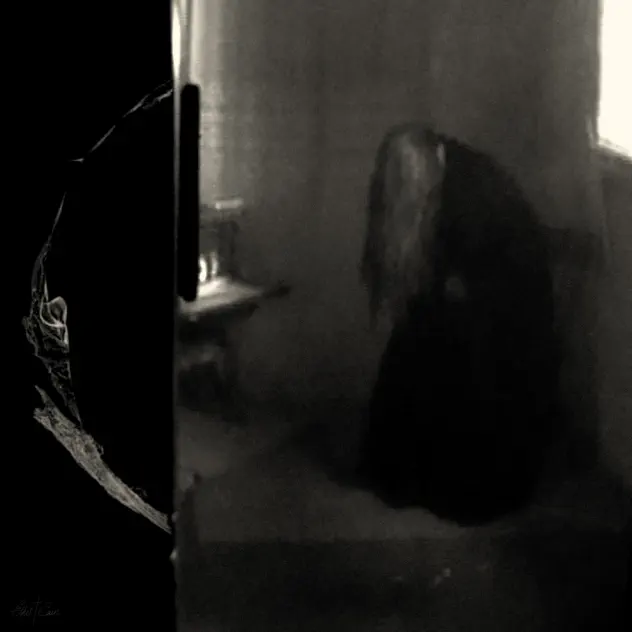
Ethel Cain
Perverts
Ethel Cain
Perverts
- release date /2025-01-08
- country /US
- gerne /Ambient, Dream Pop, Drone, Ethereal Wave, Experimental, Gothic, Industrial, Slowcore
The second album from American singer-songwriter Ethel Cain.
Ethel Cain is the solo project of Hayden Silas Anhedönia. Drawing on themes of religious repression, inherited family trauma, and the mythology of the American South, her music blends church hymns, Gregorian chant, folk, slowcore, and ambient music into a singular artistic vision. Following the releases of the EPs “Carpet Bed” (2019) and “Inbred” (2021), she achieved international recognition with her acclaimed 2022 album “Preacher’s Daughter.”
“Perverts” marks a significant departure from the song-driven emotional immediacy of its predecessor. Instead, it places drone, dark ambient, noise, and slowcore at the forefront, creating a dense and immersive sonic experience. At its core lies the Southern Gothic sensibility that has long defined Ethel Cain’s work. Religious oppression, fractured family dynamics, sin and punishment, and ghost-like memories are deeply etched into every corner of the record.
Across nine tracks and roughly ninety minutes, several compositions exceed the ten-minute mark. Melody often recedes into the background as silence, repetition, and texture take center stage. The result is a sustained sense of tension, as though the listener is slowly descending into darkness with no clear destination.
The title track, #1 “Perverts,” opens with a hymn-like passage before unfolding into a meditative piece of dark ambient. Intermittent pulse-like tones gradually intensify the atmosphere. The lead single, #2 “Punish,” pairs restrained piano and vocals with an enveloping wall of sustained guitar tones before ultimately returning to its opening motif. It serves as an effective introduction to the album’s aesthetic and generated considerable discussion upon release. The song later gained additional attention when it was performed onstage alongside Chelsea Wolfe.
#3 “Housofpsychoticwomn” drifts through creaking drones and swelling noise while distant choral voices shimmer overhead like an aurora. The repeated refrain of “I love you” carries an unsettling intensity that borders on obsession. By contrast, #4 “Vacillator” strips slowcore down to its bare essentials. Its gentle folk-influenced vocals offer a fleeting moment of comfort amid the surrounding darkness.
That respite quickly disappears with #5 “Onanist.” Wrapped in dense noise, the vocals drift slowly through the mix before the sound abruptly cuts away, leaving behind a profound sense of emptiness. The album reaches its darkest point with #6 “Pulldrone.” Over an oppressive backdrop of dissonant sustained tones, a twelve-verse monologue accumulates like a prayer for the dead. Distorted siren-like sounds gradually increase in volume, amplifying an atmosphere of dread. Across nearly fifteen minutes, the track traps the listener within an inescapable void. Its level of darkness rivals dark ambient and funeral doom, making it one of the album’s defining statements.
#7 “Etienne” functions as a brief instrumental interlude, pairing piano and acoustic guitar with the sound of falling rain. On #8 “Thatorchia,” expanding and contracting sound effects induce an almost hypnotic sense of intoxication before solemn vocals slowly emerge. Accompanied by droning guitars, the track ultimately reaches a celestial beauty reminiscent of Loveliescrushing.
The closing track, #9 “Amber Waves,” adopts a subdued folk approach. Although heavy guitar textures gradually reappear, the oppressive weight that dominates much of the album has dissipated. The song concludes with a sense of release, suggesting an emergence from the darkness that preceded it.
“Perverts” is a challenging work that crystallizes the narrative depth and Southern Gothic lineage of Ethel Cain’s music into a singular sonic experience. Rather than relying on memorable melodies, the album derives its power from claustrophobic darkness, physical resonance, and sustained immersion. The fusion of delicate textures and overwhelming noise can, at times, be interpreted through the lens of dream pop or even shoegaze.
Listeners drawn to Loveliescrushing, BIG|BRAVE, or FVNERALS will likely find much to appreciate here. Equally fascinating is the fact that a work this uncompromisingly bleak has resonated with such a wide audience. It remains one of the most distinctive and challenging releases in Ethel Cain’s catalog.
By comparison, the same year's “Willoughby Tucker, I’ll Always Love You” is considerably more melodic and immediately accessible. Experiencing both releases side by side offers a deeper understanding of the breadth and complexity of Ethel Cain’s artistic world.


